Nonwoven fabric, also known as fabric without weaving, is a specially manufactured and high-tech type of fabric. In its production, advanced technologies such as spunbond, meltblown, and spunlace are used. It is produced by bonding fibers together through heat, pressure, chemical binding, or mechanical methods without the use of weaving or knitting processes.
With innovative production methods and various advantages, nonwoven fabric is used in many fields. In this article, starting from the question of what nonwoven fabric is, we will answer the questions about this innovative and high-quality material.
History of Nonwoven Fabric
The origin of nonwoven fabric dates back to the 1940s, when the first industrial production techniques were developed in the United States. Initially, it was produced through simple methods by combining natural fibers using pressure and heat. Over time, with the development of synthetic fiber technologies, significant progress was made. From the 1960s onwards, the introduction of spunbond and meltblown techniques made nonwoven fabric production more efficient, faster, and higher in quality.
Today, nonwoven fabric has regained importance with the pursuit of sustainable textile materials. Moreover, it is now used in a wider range of applications thanks to eco-friendly production techniques.
How is Nonwoven Fabric Produced?
The production process of nonwoven fabric begins with the selection and preparation of fibers. The materials used generally include polyester (PET), polypropylene (PP), viscose, nylon, or natural fibers. The type of fiber chosen depends on the density, durability, and intended use of the fabric to be produced.
During production, the fibers are first opened, blended, and transformed into a homogeneous web. Then, depending on the chosen technology, different processes are applied:
- Spunbond method: The polymer is melted and extruded into fine filaments, which are directly laid on the surface and bonded.
- Meltblown method: Finer fibers are obtained, allowing for the production of fabrics with high filtration capacity.
- Spunlace (hydrojet) method: High-pressure water jets entangle the fibers to create a soft and durable texture.
- Needlepunch method: Mechanical needles interlock the fibers together.
These different production methods yield fabrics with distinct properties and usage advantages.
Properties of Nonwoven Fabric
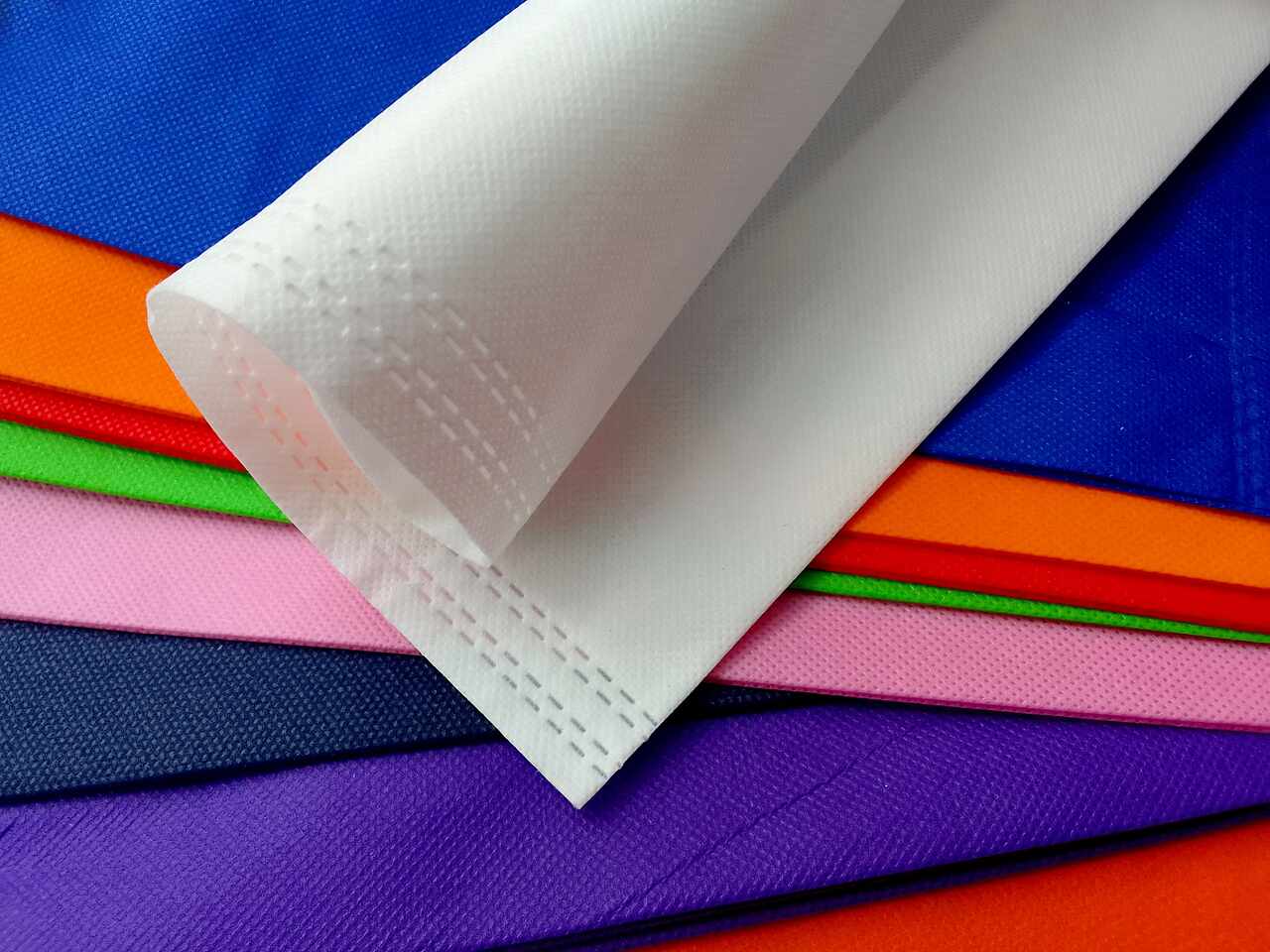
The most prominent feature of nonwoven fabric is its structure, where fibers are bonded together using special production techniques. Other key characteristics include:
- Nonwoven fabrics are produced by bonding fibers physically, chemically, or thermally—without weaving or knitting.
- Nonwoven fabrics are manufactured in accordance with international ISO 9092 and CEN EN 29092 standards.
- Production methods vary by technology: spunbond, meltblown, spunlace, needlepunch, or SMS (Spunbond–Meltblown–Spunbond).
- Spunbond fabrics are lightweight, cost-effective, and durable—commonly used in hygienic and industrial applications.
- Meltblown fabrics offer excellent filtration due to their fine fiber structure.
- Spunlace fabrics are produced without chemical binders—making them skin- and eco-friendly.
- Needlepunch fabrics are dense and thick, used in insulation, automotive, and flooring applications.
- SMS fabrics combine filtration efficiency and durability in a multilayer structure.
- Nonwoven fabrics are lightweight, breathable, flexible, and hygienic.
- They are used across a wide range—from disposable medical products to cleaning wipes.
- Fast and economical production allows them to meet modern textile demands efficiently.
- Turkey is a key supplier of nonwoven fabrics in the European and Middle Eastern markets.
- Nonwoven fabrics can also be made from recyclable materials under sustainable production principles.

Types of Nonwoven Fabric
Nonwoven fabrics are categorized based on the production technology used. The main types and their general characteristics are as follows:
Spunbond Nonwoven Fabric
One of the most commonly used types of nonwoven fabrics, spunbond is made by melting thermoplastic polymers such as polypropylene (PP) and extruding them into fine filaments. The fibers are directly laid onto the surface and bonded through a thermal process.
It is lightweight, durable, breathable, and economical, making it suitable for a wide range of applications—such as surgical gowns, mask layers, shopping bags, packaging materials, mattress protectors, and agricultural covers.
Meltblown Nonwoven Fabric
Produced with finer fibers than spunbond, meltblown fabric stands out for its high filtration capacity. This makes it ideal for use in medical mask filters, air and liquid filters. Its soft texture and dust-holding ability also make it suitable for hygiene products such as baby diapers, adult incontinence pads, sanitary napkins, and wet wipes.
Spunlace (Hydroentangled) Nonwoven Fabric
Spunlace is made by entangling fibers with high-pressure water jets, without using chemical binders. This makes the fabric both environmentally friendly and skin-safe. Its soft, flexible, and durable structure makes it widely used in wet wipes, cleaning cloths, medical textiles, cosmetic pads, and disposable towels.
Needlepunch Nonwoven Fabric
In needlepunch production, fibers are mechanically interlocked using barbed needles, forming a thick, dense, and high-strength structure. It is used in felt, insulation materials, carpet underlays, automotive interiors, and filtration systems.
SMS (Spunbond–Meltblown–Spunbond) Nonwoven Fabric
A hybrid nonwoven fabric composed of three layers—spunbond and meltblown layers combined. The middle meltblown layer provides filtration, while the outer spunbond layers add durability and protection. It performs exceptionally well in applications requiring both filtration and strength—such as surgical masks, protective clothing, medical drapes, lab coats, and sterile packaging materials.
Thermally and Chemically Bonded Nonwoven Fabric
Some nonwoven fabrics are strengthened in the final stage of production using heat or chemical binders, to achieve desired texture, stiffness, or flexibility. They are commonly used in disposable products, sanitary pads, and medical applications.
Where is Nonwoven Fabric Used?
Nonwoven fabrics have a wide range of uses due to their versatile and practical properties. Below are the main application areas:
Hygiene Products and Personal Care
Thanks to their skin-friendly and soft texture, nonwoven fabrics are used in products such as baby diapers, sanitary pads, adult incontinence products, and wet wipes. Spunlace fabrics, which contain no chemical binders, minimize the risk of skin allergies—making them a safe and comfortable choice for personal care and hygiene applications.
Healthcare Sector
Nonwoven fabric is widely used in the medical field for its hygienic and disposable nature. It is used in surgical gowns, masks, caps, and patient drapes—ensuring a sterile environment and reducing the risk of contamination. The high filtration capability of meltblown and SMS fabrics provides effective protection in respiratory masks and medical filters.
Cleaning Products
Nonwoven fabrics’ absorbency and durability make them ideal for cleaning wipes, floor cloths, disposable mop heads, and vacuum cleaner bags. They are resistant to water and detergents. Spunlace fabrics, in particular, are practical for both wet and dry cleaning.
Furniture and Construction Sector
Used in insulation, padding, and underlayment applications, nonwoven fabrics help control heat, sound, and moisture. Needlepunch felt-type fabrics are preferred for carpet backing and wall insulation due to their durability and long-lasting performance.
Automotive Sector
Needlepunch-based nonwoven fabrics, with their thick and durable structure, are used in automotive interiors—such as seat liners, roof linings, and sound insulation materials. Their lightweight nature helps reduce the overall vehicle weight, improving fuel efficiency. Nonwoven fabrics are also used in filtration systems.
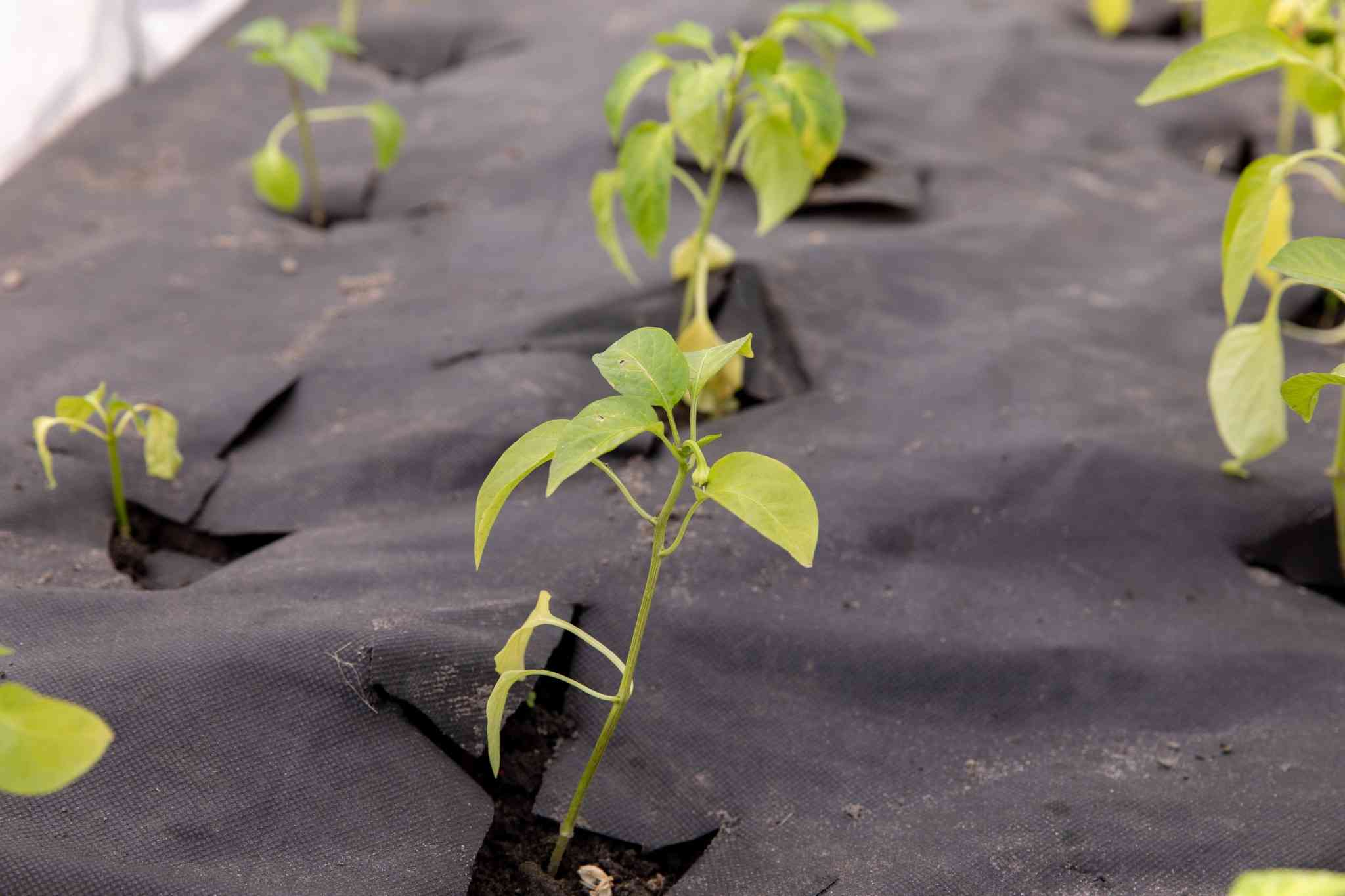
Agriculture and Landscaping
These fabrics serve as barriers preventing weed growth, regulating water flow, and protecting plant roots. In greenhouses, they help minimize heat loss and promote plant growth. Durable spunbond fabrics are resistant to UV rays.
Packaging Products
Due to their lightweight and durable structure, nonwoven fabrics are ideal for shopping bags, packaging covers, and protective pouches. Their reusability makes them an eco-friendly alternative. Spunbond fabrics are especially common in promotional and industrial packaging.
Filtration Systems
Meltblown and SMS nonwoven fabrics provide high filtration efficiency thanks to their fine fiber structures. They are widely used in air, water, and oil filters. Their ability to trap dust, microbes, and particles makes them suitable for both industrial and household filtration applications.
Advantages of Nonwoven Fabric
The various advantages that make nonwoven fabrics suitable for a wide range of applications are as follows:
- Lightweight and Durable: Despite their strength, nonwoven fabrics are lightweight, providing ease of handling and enhanced comfort during use.
- Economical: Their fast and low-cost production makes nonwoven fabrics an economical choice—especially in disposable and mass-production applications.
- Hygienic and Safe: Nonwoven fabrics are made from polymers free of microorganisms and are resistant to chemicals, bacteria, and viruses—ensuring safe and hygienic use.
- Soft Texture: Fine fibers offer a skin-friendly, soft touch—ideal for baby and personal care products.
- Sustainable and Eco-Friendly: Nonwoven fabrics made from recyclable materials help reduce carbon emissions. Some types are even biodegradable. (See Mogul’s Sustainable Nonwoven Fabrics page for more details.)
- Water-Resistant: The tightly bonded fiber structure provides water resistance—advantageous for protective clothing, packaging, and outdoor applications.
Frequently Asked Questions
What is Made from Nonwoven Fabric?
Products such as medical masks, surgical gowns, baby diapers, shopping bags, cleaning wipes, and insulation materials are made from nonwoven fabric. Its lightness, durability, and hygienic nature make it suitable for both disposable and long-lasting applications.
Is Nonwoven Fabric Waterproof?
Water resistance varies depending on the production type and fiber composition. Especially multilayer fabrics like SMS (Spunbond–Meltblown–Spunbond) have high water resistance and effectively block liquid penetration.
What is the Purpose of Nonwoven Fabric?
Nonwoven fabrics, produced without weaving or knitting, provide functional solutions in many industries. They meet essential needs such as filtration, protection, hygiene, and insulation—making them widely used in medical products, hygiene materials, packaging, furniture, and the automotive sector.